
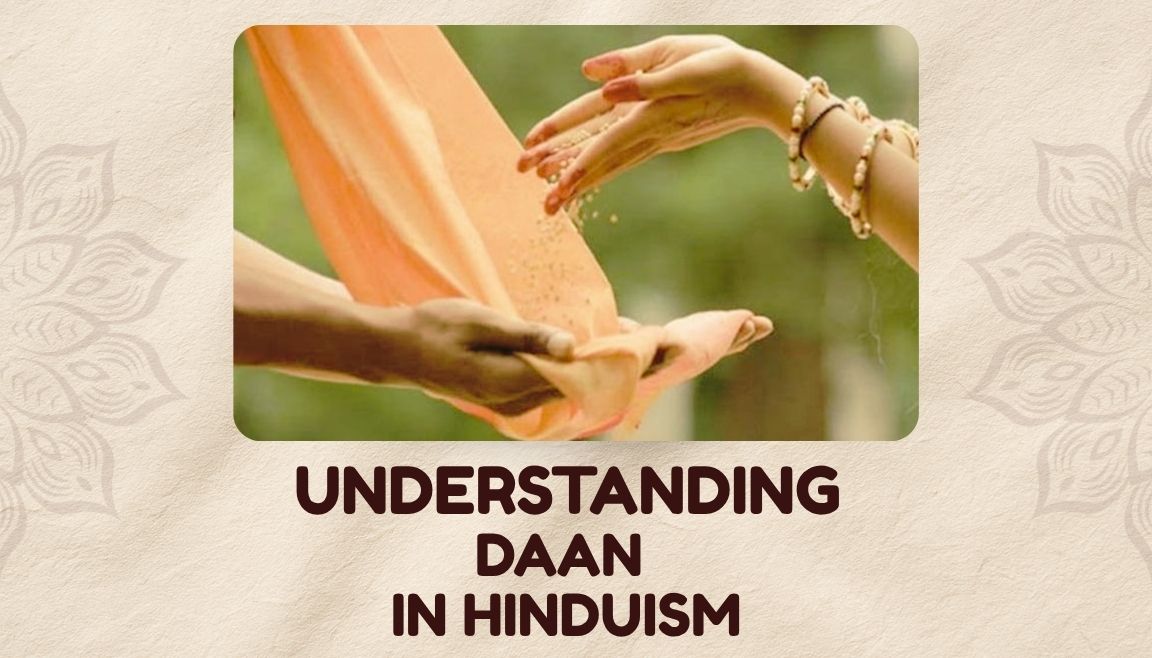
Sanatan Dharma integrates timeless spiritual wisdom that guides individuals to understand the true essence of giving, compassion and selfless service. In Hinduism, the word Daan is derived from the Sanskrit word “dana,” which means selfless giving. However, there are mainly three types of giving included in this, i.e., Dakshina, Bhiksha, and Daan.
Engaging in the art of giving is perceived as a purification of the soul and also helps build positive karma. Vedic scriptures like the Rigveda perfectly showcase the importance of giving. In addition, many notable figures in the Mahabharata, like Karna, are celebrated for their deep love and commitment to charity and selfless giving.
Moreover, sacred Holy books like the Bhagavad Gita say that people who have a surplus of wealth and income should do charity. Moving ahead, let’s discover the true meaning of charity in Hinduism by exploring the key aspects and how this ancient practice can transform someone's life both internally and externally.
Meaning of Daan in Hindu Scriptures
Charity is the cornerstone of Hindu ethics and plays a vital role in elevating the soul beyond this materialistic world. Moreover, as described in Vedic texts, it reflects the compassion of a nurturing world and beautifully categorizes acts of giving into different types of seva. Charity is done by its intent, the recipient, and by the nature of the gift.
Now let’s explore what different sacred Hindu literature say about donating:
1. Rig Veda: Food and Knowledge are the Highest forms of Charity
The Rig Veda encourages that the act of giving is very necessary in this Kaliyuga, linking it to the truth of life. The Rig Veda emphasizes that donations, including food, knowledge, and social responsibility is the duty of every individual and is often termed as the purest and highest form of devotion.
2. Bhagavad Gita: Giving from Surplus, Without Expectation
The Supreme God (Krishna) beautifully explains the threefold nature of Daan in chapter 17 of Srimad Bhagavad Gita, emphasizing goodness over passion or ignorance. Moreover, the Gita says that while donating, individuals should not seek anything in return. One should freely donate their surplus to the needy without any expectations. True charity begins with donating all your actions, food, and wealth to the lord himself.
3. Garuda Purana: Benefits of Daan
The Garuda Purana emphasizes that donation, particularly to deserving recipients like Brahmins or the needy, easily washes away all your past sins and offers an afterlife that is good and dedicated by the Lord himself.
4. Manusmriti/Bhavishaya Purana: Daan Linked to Life Outcomes
These historical Vedic texts recommend that the nature of the gift is primarily determined by Karmic outcomes, reflecting cosmic energy that offers support in return. Scripts like Manusmriti offer a linkage of specific items with blessings, such as food with satisfaction, gold with longevity, and land with prosperity.
Daan as a Duty: Role in Sanatana Dharma
Donation in Sanatan Dharma is considered a fundamental responsibility of every human being. Moreover, it acts as the cornerstone of Vedic culture and aims at purifying karma, fostering detachment from material possessions for achieving spiritual liberation. Moreover, the enlightenment achieved through donation is unconditional. Donating or doing charity is a purifying process that enhances a human’s life with spiritual growth that cultivates compassion, humility and a sense of community.
Types of Daan in Hinduism
- 01
Annadaan: Food Donation
The first and purest form of donation is offering food to someone needy. Nowadays, several religious organisations are actively working to provide free meals to the hungry in communities and across cities. In many cases, offering food from one’s home to those in need, when done with compassion, becomes a sacred act of seva. Even this is also considered good, as according to holy books like Bhagavad Gita, donating anything surplus you have into meaningful use is also considered selfless help. However, the main benefits of daan are truly making special and fresh food and feeding the hungry.
- 02
Aushadhdaan: Medicinal Help
Aushadhdaan is a type of donation that can give life to someone. Helping a person who is ill and can’t afford treatment or a medical consultation is termed the donation of medicine. Some clinics and hospitals offer medical treatment and medicines to such people at very concessional or low rates. An original meaning of daan is giving life to someone, and freeing someone from their physical suffering is the most impactful thing someone can do.
- 03
Vidyadaan: Knowledge
The third aspect of donation is providing and spreading knowledge, i.e., donating books or literature that helps people in approaching the right path in their lives. It is termed as a higher and more relevant form of charity than the other types. Moreover, publishing and distributing books that lead to someone’s good life and personal growth at no cost is very beneficial and falls under Vidyadaan.
- 04
Abhaydaan: Protection
Protecting all living beings on the planet is considered the supreme form of charity in Sanatan Dharma. It includes non-violent behavior, offering asylum to the threatened, and assuring safety to any creature, even small animals. Abhaydaan is one of those forms of donation that is totally free and requires no money at all. One should admit and nurture the inner intent that no living being should suffer even slightly. God Himself says that the real meaning of daan is helping everyone, irrespective of their living state, especially animals who can’t help each other.
Benefits of Daan in Hinduism
- 01
Spiritual Evolution
Charity is often considered one of the most vital forms of attaining spiritual liberation. It helps in discarding ego and allows people to purify their hearts by offering selfless care and help to the needy. Moreover, detaching one’s mind from this materialistic world by helping others helps in fostering compassion and humility.
- 02
Balancing Karma
Acts of donation are acts of balancing spiritual growth, helping in reducing negative karma and past sins accompanying you from your past lives. Moreover, by offering cloth, food and other resources, the individual can purify their karmic account by eliminating their past bad deeds.
- 03
Material and Spiritual Prosperity
Donations made properly and promptly uplift life and help in overcoming obstacles in bringing overall prosperity. Moreover, it is believed that selfless giving, particularly to the needy or for any religious causes, directly pleases the Supreme God, leading to both material and spiritual growth in life.
- 04
Generosity Cultivation
Charity is a powerful practice that constantly cultivates and uplifts a spirit of giving and decreases the attachment to materialistic possessions. By regularly sharing the surplus you have, you can break the cycle of greed and selfishness, which allows your mind to grow with empathy and abundance, with developing compassion towards all living beings.
The Correct Way to Perform Daan
- 01
Intent (Bhava)
Charity should be done with a pure heart, free from pride, ego, and without any expectation in return.
- 02
Recipient (Patra)
Offerings should always be made to worthy recipients who uphold dharma or are in genuine need.
- 03
Method (Vidhi)
Provide donations with pure respect and with a humble nature.
- 04
Anonymity
The true form of donation is the one that is being done without any expectation, not used for uplifting the image in society or for getting applause.
- 05
Timing (Kaala)
Some of the auspicious times include solar or lunar eclipse, festivals, and special dates like Ekadashis and Amavasyas.
Conclusion
It has been concluded that the original meaning of daan in Hinduism is a sacred practice or selfless act of giving. Vedic literature and Holy books consider charity to be one of the highest virtues of Dharma.
Additionally, these practices emphasize humanity in society and allow human beings to detach from the materialistic world. Unlike transactional giving, true donation is done with a pure heart without any expectation in return.
FAQs
Support Annadaan Seva through Adhyatmik Seva
Your offering helps serve fresh, sattvic meals to those in need and turns your contribution into a sacred act of compassion.
Share this article
Help spread awareness about seva and the power of compassionate service.